

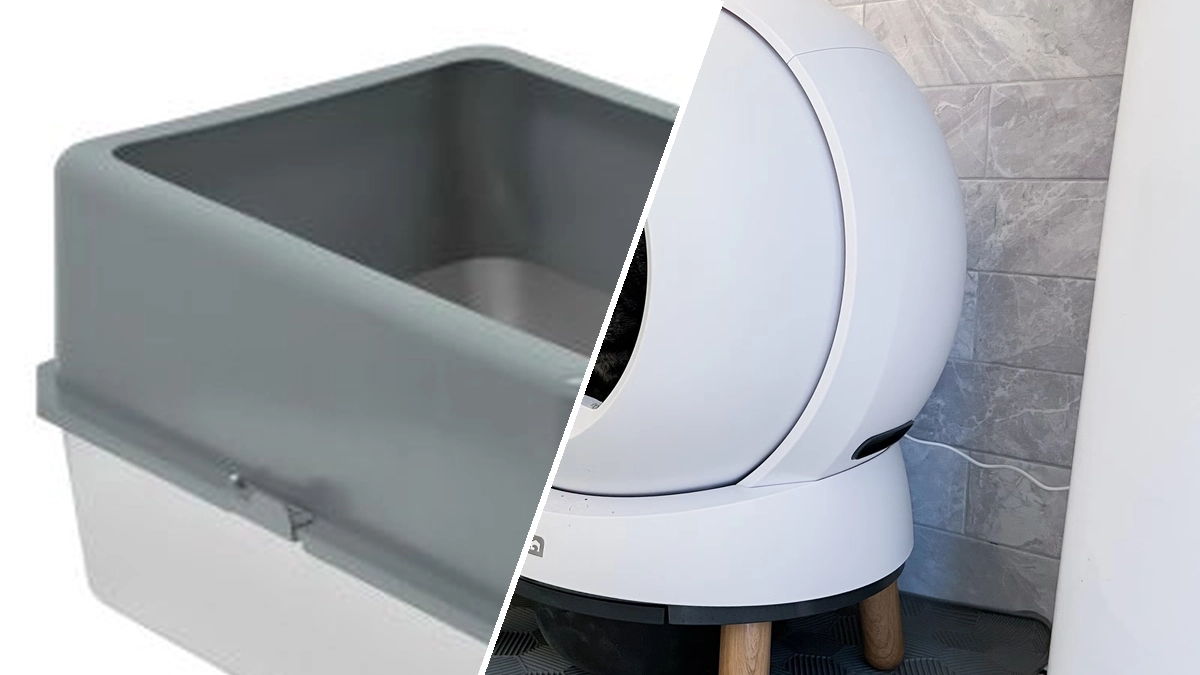
Choosing the right litter is one of the most impactful decisions you can make for both your environment and your feline companion. While traditional clay-based options have been the industry standard for decades, their non-biodegradable nature poses significant ecological challenges. For owners of domestic cats, switching to eco-friendly cat litter box alternatives represents a commitment to sustainability without sacrificing hygiene or performance. In 2026, the market for sustainable pet supplies has expanded, offering sophisticated solutions that cater to the unique needs of every household.
- Lower environmental footprint through the use of renewable materials.
- Reduced dust levels, which promotes better feline health and respiratory wellness.
- Biodegradable properties that allow for composting or responsible disposal.
- Natural odor control without the need for synthetic chemicals or artificial fragrances.
Why you should consider biodegradable cat litter in 2026
Traditional clay litters are often sourced through strip mining, a process that can devastate local ecosystems. Furthermore, clay does not break down, meaning millions of tons of waste end up in landfills annually. By opting for biodegradable cat litter, you are supporting a circular economy. These products are often made from agricultural byproducts or recycled materials that would otherwise be discarded. Transitioning to these alternatives is also a proactive step in cat care, as natural materials are often gentler on a cat's paws and less likely to cause irritation.
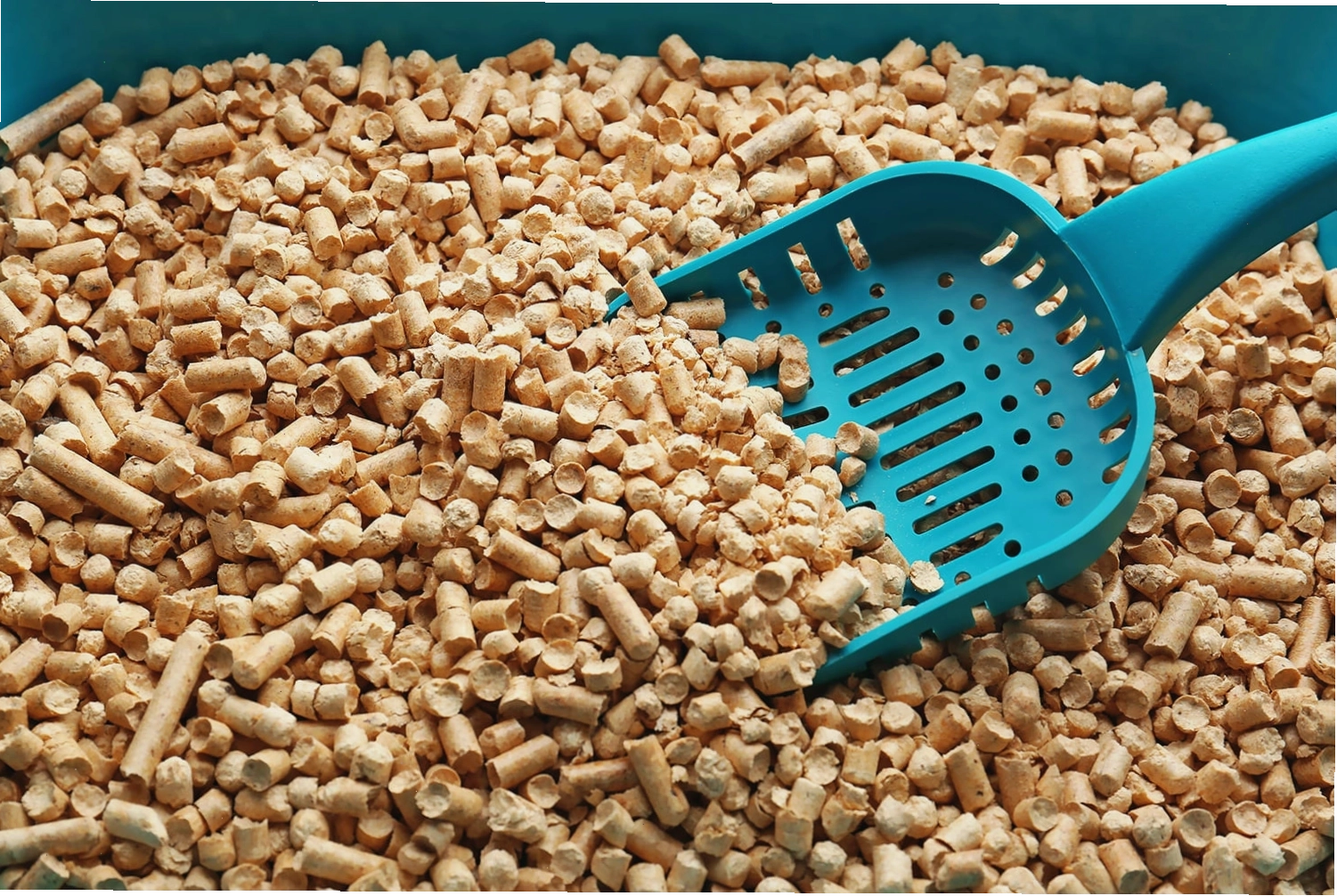
Evaluating the top eco-friendly cat litter box alternatives
When selecting a new substrate, it is important to understand how different materials perform in terms of clumping, odor management, and tracking. Below is a detailed look at six fantastic options for the modern eco-conscious pet owner.
1. Pine Wood Pellets
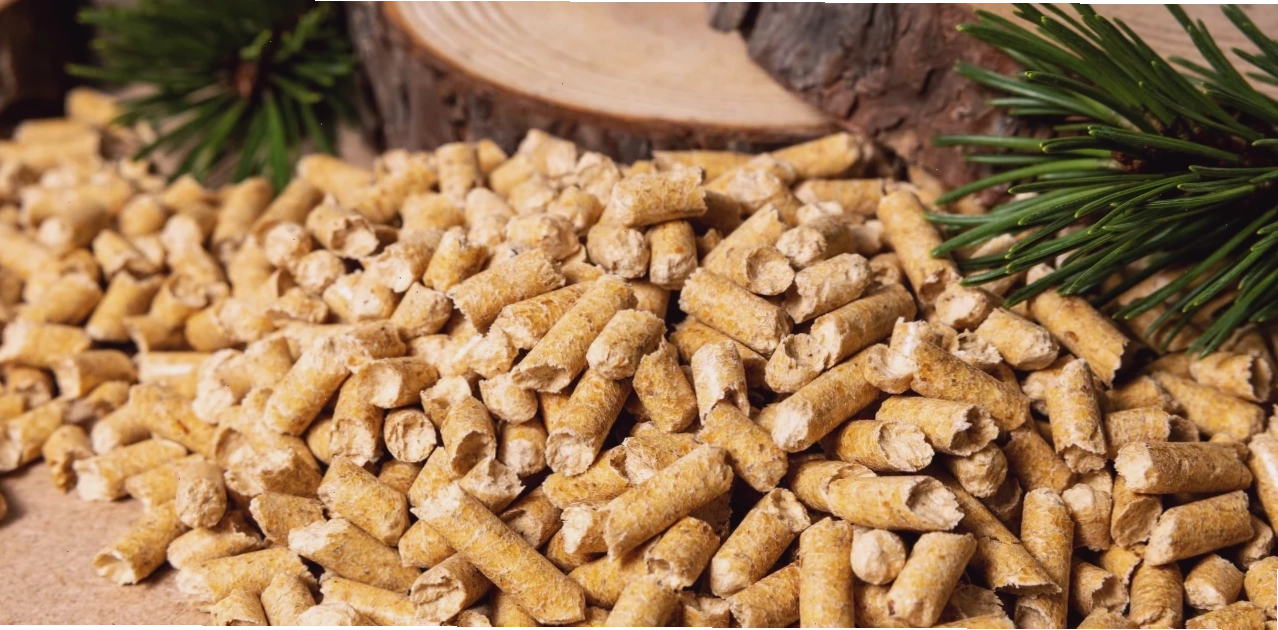
Pine pellets are a leading choice for those seeking sustainable pet supplies. These pellets are created from compressed pine sawdust, which expands and turns into a soft powder upon contact with moisture. This material naturally inhibits the growth of bacteria and neutralizes odors with a pleasant, natural scent. It is virtually dust-free, making it an excellent choice for cats with sensitive respiratory systems. To provide the best environment, you might also learn about bobcat fever in cats to understand how hygiene impacts outdoor and indoor disease risks.
2. Wheat Based Litter
Wheat-based options utilize reclaimed wheat crop byproducts. This natural clumping litter contains starches that form firm clumps when wet, making the scooping process efficient and sanitary. Wheat is fully renewable and often flushable in small quantities, depending on local regulations. Many owners prefer this because it has a soft texture similar to natural soil, which is often preferred by domestic cats who may be picky about their substrate.
3. Paper Based Kitty Litter
Constructed from recycled paper, this litter is often processed into pellets or granules. It is exceptionally absorbent and produces almost zero dust. This makes it a primary recommendation for cats recovering from surgery or those prone to cat ear infections or skin allergies. Because it is highly absorbent, it manages moisture effectively, though it may require more frequent changes to maintain peak odor control compared to wood-based alternatives.
4. Coconut Coir Litter
Derived from real coconut husks, this eco-friendly choice is remarkably sustainable. Coconut coir is known for its incredible ability to lock in moisture and neutralize odors naturally. It is very lightweight, which makes handling large bags much easier. Furthermore, it is gentle on paws and free from dangerous chemicals that could negatively affect feline health over long-term exposure.
5. Corn Based Litter
Corn-based substrates are among the most popular natural clumping litter types available today. The natural starches in corn create tight, easy-to-scoop clumps. These products are usually virtually dust-free and offer superior odor control. It is important to ensure that the corn is sourced from sustainable farms to maximize the environmental benefits of this choice.
6. Natural Sand
Sand is an inexpensive, renewable resource that closely mimics the environment many cats would naturally choose for waste disposal. While it does not clump as well as corn or wheat, it is highly accessible and can be disposed of in gardens or composting systems if managed correctly. However, it can track easily, so using a high-quality mat around the box is recommended.
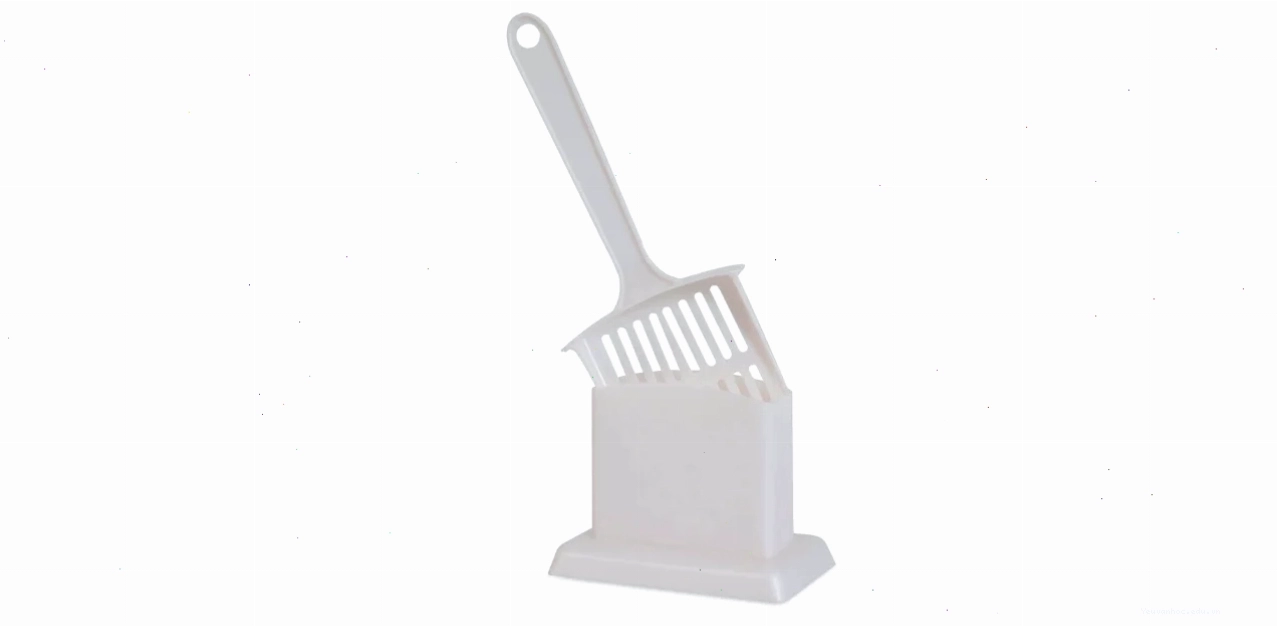
Comparison of eco-friendly litter materials
To help you decide, the following table compares the performance metrics of the most popular sustainable materials:
| Litter Type | Clumping Ability | Odor Control | Tracking Level | Biodegradability |
|---|---|---|---|---|
| Pine Pellets | Low (Dissolves) | High (Natural) | Low | Excellent |
| Wheat | High | Medium | Medium | Excellent |
| Corn | Very High | High | Medium | Excellent |
| Paper | None | Medium | Low | Very High |
| Coconut Coir | Low | Very High | High | Excellent |
The impact of hygiene on cat health and wellness
Maintaining a clean litter box is not just about aesthetics; it is a critical component of cat care. Poor hygiene can lead to stress, which weakens the immune system and makes cats more susceptible to tick-borne diseases or localized problems. For instance, cats that spend time in unhygienic environments may be more prone to scratching, which can exacerbate issues like ear mites. If you notice your cat shaking their head frequently, you should learn how to treat cat ear mites immediately. In some cases, a veterinarian may prescribe Tresaderm for cats or other ear mite medication to resolve the infestation. By selecting low-dust, eco-friendly litters, you minimize the risk of respiratory irritation and keep the general environment cleaner, supporting overall feline health.
Final thoughts on transitioning to a greener litter box
Switching to eco-friendly cat litter box alternatives is a rewarding journey that benefits your home, your pet, and the planet. Whether you prioritize the clumping power of corn or the hypoallergenic nature of recycled paper, there is a sustainable solution that fits your lifestyle. Start by mixing a small amount of the new litter with your current brand to help your cat adjust to the new texture. With patience and the right choice, you can enjoy a cleaner, greener, and healthier home for years to come. Remember that consistent cleaning and high-quality sustainable pet supplies are the best ways to ensure your companion remains happy and thriving.